
Vortrag
How do theoretical physicists search for Dark Matter?
Durchschnittliche Verweildauer: 45 Minuten
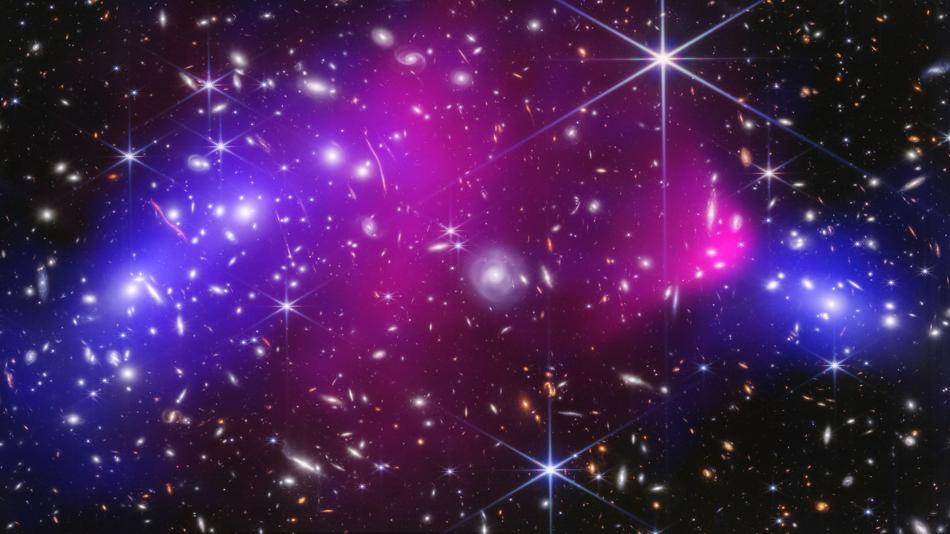
Modern particle physics relies on the Standard Model, an extremely successful theory that describes the basic building blocks of visible matter and the forces that act between them. However, despite this success, strong evidence points to a Universe in which most matter is not made of the particles already known.
In fact, about 25% of the Universe appears to be made of dark matter: an invisible form of matter that has not been detected directly so far. Its presence is revealed through gravity: from the way galaxies rotate to the way large cosmic structures form and evolve, dark matter plays a huge part in shaping the Universe as we observe it today.
The lack of direct detection makes the study of dark matter difficult and raises a fundamental question: what does it mean to study something that cannot be observed directly? Part of the answer lies in how theorists turn ideas into predictions that can be tested, connecting observations of the Universe with experiments in the lab. But the scientific process does not always go from theory to experiment: sometimes an unexpected observation, or a new measurement comes first and leads to the need for a new theoretical framework.
Besucherinformation
Anfahrtsbeschreibung: Sehr gute Erreichbarkeit mit öffentlichen Verkehrsmitteln; kein fakultätseigener Parkplatz.
Dieser Ausstellungsstandort ist barrierefrei zugänglich und verfügt über barrierefreie Toiletten.
Zur Benutzung des barrierefreien Zugangs ersuchen wir Sie bei Eintreffen am Standort um telefonische Kontaktaufnahme (Schild vor Ort). Fakultätsangehörige werden Sie zum barrierefreien Zugang begleiten. Die Labore sind leider nicht barrierefrei.
Öffnungszeiten
Beginnzeiten
Information
The walk is designed to be interactive, with active exchanges in a safe and open space where questions are encouraged. It will conclude with a short quiz to recap the key ideas.
Sponsoren / Partner




32 weitere Stationen an diesem Standort
-
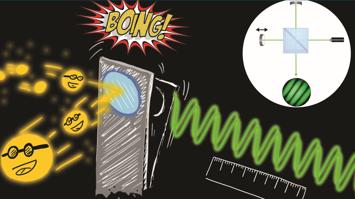 MitmachstationWie stark ist Licht?Thema: Naturwissenschaften TechnikHerausforderungen in der modernen Quantenphysik: Wie verbindet man weit entfernte Quantensysteme mit Hilfe von Licht und Bewegung? Was ist das Gravitationsfeld eines Quantenobjekts? Wie baut man einen Quantenmotor? Diese und andere Fragen stehen hinter den Experimenten in den Arbeitsgruppen von Markus Aspelmeyer und Nikolai Kiesel.Universität Wien17:00 - 22:30
 -
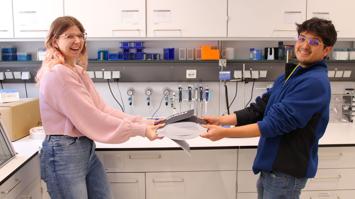 MitmachstationZiehen, ziehen – nichts passiert?Thema: Gesundheit NaturwissenschaftenZiehen, ziehen – nichts passiert! Weiche Materialien können erstaunlich widerstandsfähig sein. Viele kleine Berührungen und Reibungen wirken zusammen, sodass ein Material plötzlich fast „unzerbrechlich“ erscheint. An dieser Station können Sie die eigene Stärke testen, indem Sie versuchen, ein gefaltetes Buch beim Tauziehen auseinanderzuziehen.Universität Wien17:00 - 22:30
 -
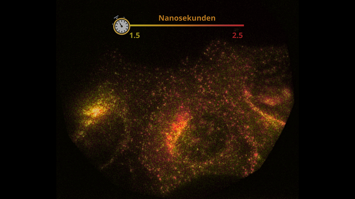 MitmachstationWie sieht Zeit auf molekularer Ebene aus?Thema: GesundheitWir zeigen, wie winzige Moleküle nur für Nanosekunden leuchten, wie man diese Zeit messbar macht und warum das wichtig ist. Bei uns können Sie erleben, wie das Beobachten von Licht in der Zeit hilft, Zellen besser zu verstehen und medizinische Möglichkeiten zu erweitern.Universität Wien17:00 - 22:30
 -
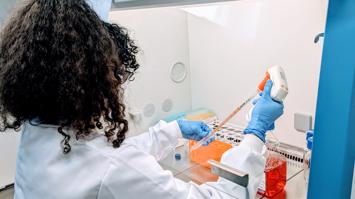 MitmachstationVon der Küche ins Labor - Was steckt in weicher Materie?Thema: Gesundheit NaturwissenschaftenSchleim, essbare Gummiwürmer und Küchenzutaten: So lässt sich die Physik weicher Materie erleben. Wir betrachten Lebensmittel unter dem Mikroskop und demonstrieren mit flüssigem Stickstoff die beeindruckenden Auswirkungen extremer Kälte – Physik, die man sehen, fühlen und schmecken kann.Universität Wien17:00 - 22:30
 -
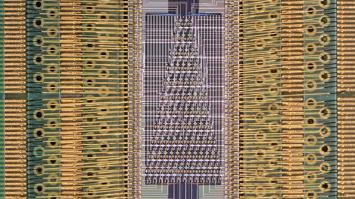 MitmachstationWie können wir einen Quantencomputer mit Licht bauen?Thema: Digitalisierung TechnikEntdecken Sie die faszinierende Welt des photonischen Quantencomputings. Erkunden Sie echte Komponenten aus unseren Laboren, darunter Photonenquellen, einen photonischen Prozessor und Einzelphotonendetektoren. Erfahren Sie von unseren Forscher:innen mehr über Quanteninformationsverarbeitung, integrierte Geräte im Chipmaßstab und modernste Detektortechnologien.Universität Wien17:00 - 22:30
 -
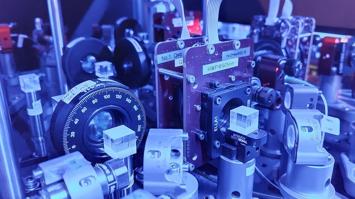 MitmachstationKönnen wir die quantenmechanische Verschränkung nutzen, um klassische Beschränkungen zu überwinden?Thema: Naturwissenschaften TechnikMachen Sie sich darauf gefasst, dass einige Ihrer grundlegendsten Intuitionen in Frage gestellt werden. Begleitet von unserem Team bietet dieses interaktive Experiment eine praktische Erkundung des merkwürdigen Verhaltens und der mächtigen Natur von Quantenphänomenen, während wir die Geheimnisse von Verschränkung, Überlagerung und Quantenwahrscheinlichkeiten enträtseln.Universität Wien17:00 - 22:30
 -
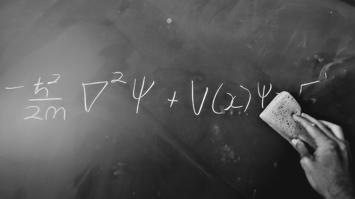 MitmachstationKönnen Quantenteilchen ihre Wege vergessen? Erforschung des Welle-Teilchen-Dualismus mit dem Quantum EraserThema: Naturwissenschaften TechnikTauchen Sie in die verblüffende Welt der Quantenmechanik ein! Erleben Sie den rätselhaften Quantum Eraser in Aktion, wenn wir demonstrieren, wie die Messung des Weges eines Teilchens dessen Verhalten verändern kann. Sie können Polarisatoren manipulieren und beobachten, wie Interferenzmuster verschwinden und wieder auftauchen, und so Gespräche über den Welle-Teilchen-Dualismus und Quantenmessungen anregen.Universität Wien17:00 - 22:30
 -
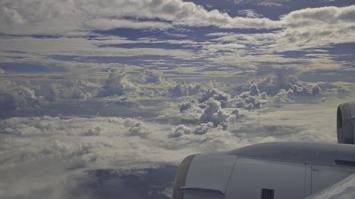 MitmachstationKleine Teilchen - große Wirkung?Thema: Naturwissenschaften UmweltAerosole haben einen großen Einfluss auf die Atmosphäre und die Bildung von Wolken. Wir erforschen wie diese kleinen Partikel in der Atmosphäre entstehen und sich verhalten. Die große Wirkung dieser kleinen Teilchen wollen wir anhand einer einfachen Wolkenkammer demonstrieren.Universität Wien17:00 - 22:30
 -
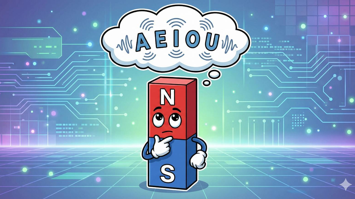 MitmachstationKann ein Magnet denken?Thema: Digitalisierung NaturwissenschaftenKann ein Magnet denken? Wir nutzen Spinwellen, um neuronale Netze direkt in magnetischen Materialien zu realisieren. Durch „Inverse Design“ programmieren wir Magnetfelder so, dass sie Wellen wie Signale im Gehirn steuern. So lernt unser System, Vokale zu erkennen. Diese neuromorphe Hardware ist kompakt, extrem sparsam und flexibel – ein Blick in die Zukunft des gehirnähnlichen Rechnens!Universität Wien17:00 - 22:30
 -
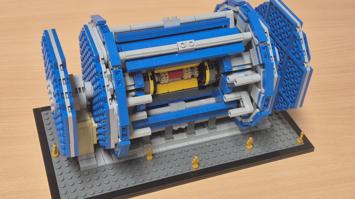 MitmachstationWoraus besteht die Welt?Thema: NaturwissenschaftenWir zeigen Ihnen, wie wir an der Universität Wien die fundamentalen Bausteine der Welt erforschen, und machen mit Detektormodellen die Elementarteilchen und die Teilchenphysik anschaulich.Universität Wien17:00 - 22:30
 -
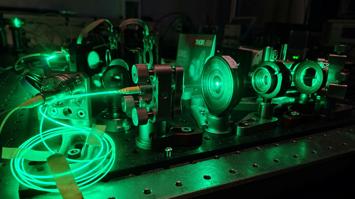 MitmachstationKI für Quantencomputer oder Quantencomputer für KI?Thema: Digitalisierung NaturwissenschaftenHier veranschaulichen wir anhand einer kleinen Demonstration, wie Quantencomputer bestimmte Aufgaben deutlich schneller als klassische Computer erledigen können. Darüber hinaus diskutieren wir, wie künstliche Intelligenz beim Design eines Quantencomputers helfen kann, und ob es in Zukunft eine "künstliche Quanten-Intelligenz" geben könnte.Universität Wien17:00 - 22:30
 -
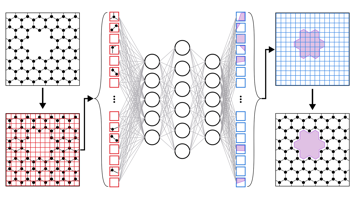 MitmachstationWie bringt man einem Computer das Denken bei?Thema: Digitalisierung NaturwissenschaftenMaschinelles Lernen zum Anfassen: KI prägt unseren Alltag von Bild- und Textgenerierung über Suche, Gesichtserkennung bis zum autonomen Fahren. Auch in der Wissenschaft hilft KI, wo klassische Methoden scheitern. Aber: wie denkt ein Computer? An unserem Stand erleben Sie auf interaktive Weise die Generierung von Molekülen, Interpretation von Zeichnungen und Bildern und ein trainierbares neuronales Netz mit TicTacToe.Universität Wien17:00 - 22:30
 -
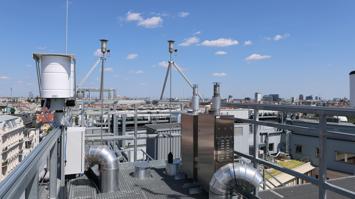 FührungUnsichtbar und doch nachweisbar. Was schwebt in der Luft?Thema: Naturwissenschaften UmweltBegleiten Sie uns zum Aerosolobservatorium auf dem Dach der Fakultät für Physik. Lernen Sie kennen, wie wir winzige Luftpartikel – von Ruß bis Mikroplastik – nachweisen und analysieren, und gewinnen Sie Einblicke, was unsere Messungen über Atmosphäre, Klima und die Veränderung der Luftqualität in Wien im Laufe der Zeit offenbaren.Universität Wien17:00 - 22:30 (Anmeldung erforderlich)
 -
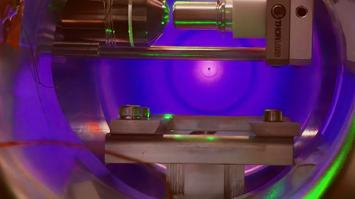 FührungHow to cool a Nanoball to the Quantum Limit?Thema: Naturwissenschaften TechnikIn this experiment, you will see how we can cool a sphere the size of a virus so much that it starts to behave like a quantum object.Universität Wien17:00 - 22:30 (Anmeldung erforderlich)
 -
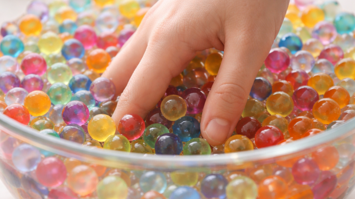 FührungHave you ever heard of the science of soft materials?Thema: Gesundheit NaturwissenschaftenFrom gummy bears and Nutella to toothpaste, shampoo, concrete, and paint. Many everyday substances are soft, pliable, and fascinating. Our research group investigates the physics behind these “miracle materials” - exploring how they flow, stretch, and behave in unexpected ways. Discover live demonstrations and experiments on our lab tour.Universität Wien17:00 - 22:30 (Anmeldung erforderlich)
 -
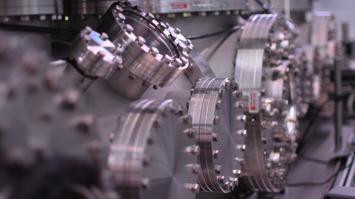 FührungWie können wir Quanteninterferenz von Molekülen und Nanoteilchen nachweisen?Thema: Naturwissenschaften TechnikWarum gelten in der Quantenmechanik andere Spielregeln als im Alltag und gibt es eine klare Grenze dazwischen? In unseren Laboren begeben wir uns auf die Suche nach Quantenphänomenen mit den bislang größten Teilchen. Wir zeigen unsere experimentellen Apparaturen, mit denen die Quantenphysik auf neuen Größenskalen getestet wird.Universität Wien17:00 - 22:30 (Anmeldung erforderlich)
 -
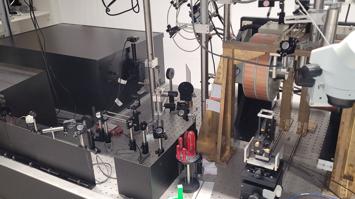 FührungWie können wir magnetische Wellen sichtbar machen und für Information nutzen?Thema: Naturwissenschaften TechnikIn magnetischen Materialien können sich Wellen ausbreiten, sogenannte Magnonen, die sowohl klassische als auch quantenmechanische Eigenschaften besitzen. In dieser Laborführung zeigen wir, wie man sie experimentell untersucht und warum sie für zukünftige Technologien von Interesse sind.Universität Wien17:00 - 22:30 (Anmeldung erforderlich)
 -
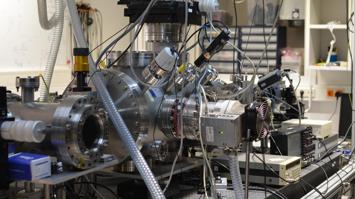 FührungWie können wir die Quantennatur von Heliumatomen beobachten?Thema: Naturwissenschaften TechnikSind Atome wirklich kleine Kügelchen oder steckt mehr dahinter? Die Quantenmechanik zeigt, dass Teilchen auch Welleneigenschaften besitzen, aber was bedeutet das wirklich? In unserem Labor zeigen wir, wie sich dieses Verhalten experimentell beobachten lässt und was es uns über die Bausteine unserer Welt verrät.Universität Wien17:00 - 22:30 (Anmeldung erforderlich)
 -
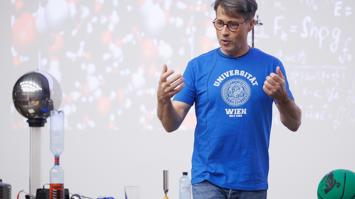 KinderprogrammWellen, Wirbel, Energie: Was steckt hinter den Phänomenen unseres Alltags?Thema: NaturwissenschaftenAnhand von spannenden Experimenten werden Sie einige Prinzipien der Physik kennenlernen. Sie werden beobachten, wie Energie sich von einer Form in eine andere verwandelt, wie Wellen sich ausbreiten und Wirbel entstehen. Außerdem werden wir ein Rohr mit Wärme zum Singen bringen und Blitze erzeugen.Universität Wien17:00 - 22:30
 -
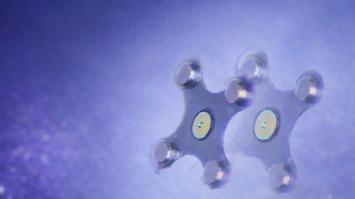 VortragWas können uns fliegende Spiegel über die Quantenmechanik erzählen?Thema: Naturwissenschaften TechnikDie Quantenmechanik sagt voraus, dass Objekte sich an mehreren Orten gleichzeitig befinden können. Mit Molekülen wurde dieses Verhalten bereits experimentell nachgewiesen. Doch wo liegt die Grenze? Warum beobachten wir solche Effekte nicht im Alltag? Dazu lassen wir winzige Spiegel in extrem kalten Kühlschränken mithilfe von Magnetfeldern schweben und messen mit Lasern so präzise wie möglich, wo sie sich befinden.Universität Wien17:00 - 22:30
 -
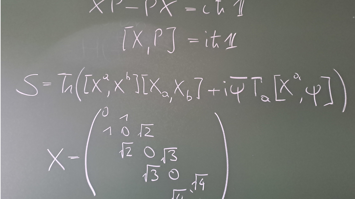 VortragLeben wir in der Matrix?Thema: Naturwissenschaften TechnikMatrixtheorie ist eine Variante der Stringtheorie, und bietet einen seriösen wissenschaftlichen Ansatz für eine Quantentheorie von Raumzeit und Gravitation. Wir geben einen Einblick in dieses aktuelle Forschungsgebiet jenseits von Fantasy & SciFi.Universität Wien17:00 - 22:30
 -
 VortragPhysikerinnen an der Universität Wien - wer waren die ersten Absolventinnen und Professorinnen?Thema: Kultur NaturwissenschaftenWiener Physikerinnen und die Entwicklung ihrer Berufs- und Karrieremöglichkeiten werden in diesem Vortrag exemplarisch vorgestellt.Universität Wien17:00 - 22:30
 -
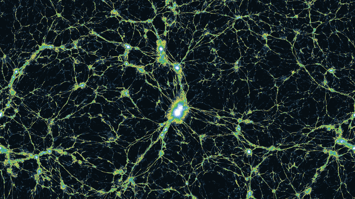 VortragDark Matter - what is a theorist's point of view?Thema: NaturwissenschaftenDark matter has posed a formidable challenge for theoretical physicists in the last 50 years. Despite huge evidence for its existence, it composes 20% of the Universe, its true nature still evades us. Diverse theories on its nature have wildly different, and interesting, consequences. In this talk I will showcase the most important models.Universität Wien17:00 - 22:30
 -
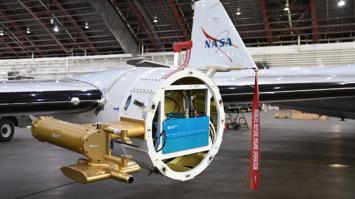 VortragSaubere Luft, heißeres Klima – wie passt das zusammen?Thema: Naturwissenschaften UmweltAerosole – winzige in der Luft schwebende Partikel – wirken auf die Atmosphäre und das Klima. Sie stammen aus natürlichen und menschengemachten Quellen und sind regelmäßig als graue Dunstschichten am Horizont sichtbar. Wir nehmen Sie mit auf eine Entdeckungsreise in die Aerosolforschung – und beleuchten dabei einen scheinbar paradoxen Effekt: Verbesserte Luftqualität macht die menschengemachte Erwärmung sichtbarer.Universität Wien17:00 - 22:30
 -
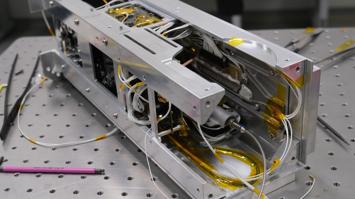 VortragWhat does a quantum computer in space look like?Thema: Digitalisierung TechnikDid you know that a team from the University of Vienna built and launched a satellite-payload carrying a photonic quantum computer? In this talk, I'll tell the story of ROQUET—a low-orbit satellite-payload that can recognize patterns on Earth's surface. You'll see what the payload looks like, what we've learned from it, and meet the people who turned this wild idea into reality.Universität Wien17:00 - 22:30
 -
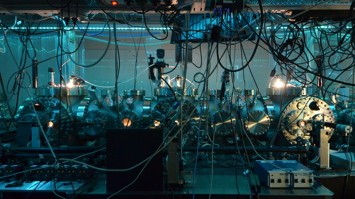 VortragWas hat Schrödingers Katze mit Materiewelleninterferometrie zu tun?Thema: Naturwissenschaften TechnikKann ein Objekt aus Tausenden Atomen gleichzeitig hier und dort sein? Moderne Experimente zeigen: Ja. Der Vortrag nimmt mit in eine Welt, in der Nanoteilchen wie Wellen interferieren – und zeigt, was wir daraus über die Grenze zwischen Quantenphysik und klassischer Realität lernen.Universität Wien17:00 - 22:30
 -
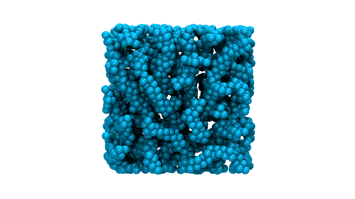 VortragWeiche Materie - flüssig oder fest?Thema: NaturwissenschaftenIst Zahnpasta flüssig oder fest? Und was ist mit Gelen? Diese spannenden Materialien gehören zur "weichen Materie", sie verhalten sich manchmal wie Flüssigkeiten und manchmal wie Festkörper. Mit Computersimulationen erforschen wir, wie sich diese Hybridmaterialien unter Temperaturveränderungen und Stress verhalten.Universität Wien17:00 - 22:30
 -
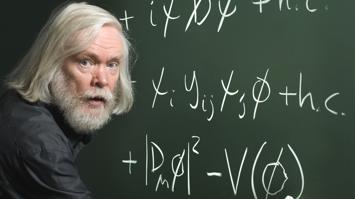 VortragWie kommen wir den Bausteinen der Materie auf die Spur?Thema: NaturwissenschaftenMit Kreide, Stift, und Computer erforschen die Teilchenphysiker:innen der Uni Wien die kleinsten Bausteine der Welt. Hier stellen wir die Geschichte der Teilchenphysik und ein paar unserer Werkzeuge und Ergebnisse vor.Universität Wien17:00 - 22:30
 -
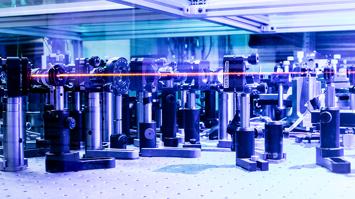 VortragKann Licht denken? Eine Einführung zu Quanten-Maschinellen-Lernen mit LichtteilchenThema: Digitalisierung TechnikPhotonische Quantencomputer nutzen Lichtteilchen, um Berechnungen jenseits klassischer Grenzen durchzuführen. Bei diesem gemeinsamen Spaziergang erfahren Sie, wie ein photonischer Quantencomputer funktioniert und wie er für Künstliche Intelligenz eingesetzt werden kann.Universität Wien17:00 - 22:30
 -
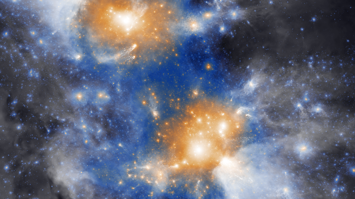 VortragDunkle Materie als ein neues Teilchen?Thema: NaturwissenschaftenAstronomische Beobachtungen legen nahe, dass es nicht-leuchtende Masse im Weltall geben muss. Diese dunkle Materie macht in etwa 20% des Universums aus. Nichtsdestotrotz, ist ihre Natur immer noch unbekannt. Als Theoretiker beschäftige ich mit neuen Teilchen-Modellen für dunkle Materie. Diese können in weiterer Folge experimentell getestet werden.Universität Wien17:00 - 22:30
 -
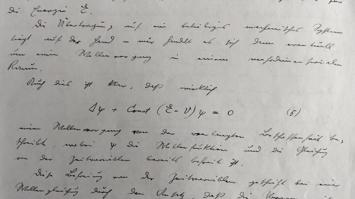 Führung100 Jahre Wiener Physikgeschichte - welche Schätze verbergen sich in den Archiven?Thema: Kultur NaturwissenschaftenDie Sondersammlung der Bibliothek bewahrt Fotografien, Publikationen, Objekte und über 60 Nachlässe österreichischer Physiker*innen. Kernbestand sind Arbeitsunterlagen, Briefe und Fotografien des Nobelpreisträgers Erwin Schrödinger. Wir zeigen Ihnen Schätze aus über 100 Jahren Wiener Physikgeschichte – natürlich auch Schrödingers Notizbücher!Universität Wien17:00 - 22:30 (Anmeldung erforderlich)
 -
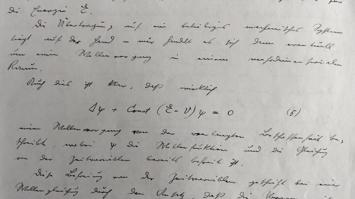 Führung100 years of Viennese physics history - what treasures are hidden in the archives?Thema: Kultur NaturwissenschaftenThe library's special collection holds photographs, publications, objects, and the papers of over 60 Austrian physicists. At its heart is the Erwin Schrödinger Archive with the Nobel laureate's notes, letters, works, and photographs. We will show you highlights from over 100 years of physics in Vienna – including Schrödinger's notebooks, of course!Universität Wien17:00 - 22:30 (Anmeldung erforderlich)